Linen is celebrated for breathability, moisture management, and a distinct crisp hand. Its beauty lies not only in the drape of the fabric but in the way flax fibers respond to climate, washing, and wear. The fiber properties that matter most to bedding are: fiber length (which influences strength and luster), fineness (which affects softness and sheen), and the overall construction of the yarn. When you combine these traits with origin, retting, and spinning quality, linen bedding reveals its efficiency in climate control and longevity.
In this guide, you’ll discover how flax origin and retting quality shape weave texture and durability, how yarn spinning and finishing affect surface feel, and how to care for linen so it matures gracefully rather than loses its snap. From crisp percale-like hand to the relaxed drape of linen, linen bedding offers a unique balance of structure and comfort that ages with elegance.
Core Linen Fiber Properties
Flax, the plant behind linen, yields fibers that are exceptionally strong for their weight. Linen fibers tend to be longer and stiffer than cotton, contributing to a crisper hand and greater dimensional stability. The key properties to understand are:
- Fiber length and strength: Longer flax fibers produce a smoother surface and higher tensile strength, which translates to durability and less pilling over time.
- Fineness and modulus: Finer fibers create a softer feel at the outset, but the balance between fineness and strength governs how the fabric ages. A well-spun linen yarn maintains a crisp hand yet softens with use.
- Origin and retting quality: Region, climate, soil, and retting processes influence fiber character. European flax often yields fibers with superior luster and uniformity, contributing to a stable geometry in the weave.
- Color depth and finishing: Linen’s natural color ranges from warm ivory to flaxen beige. Finishing — including hem, hemstitch, and edge treatments — affects appearance and durability at the seams.
Weave, Weight, and Texture: How Linen Feels and Behaves
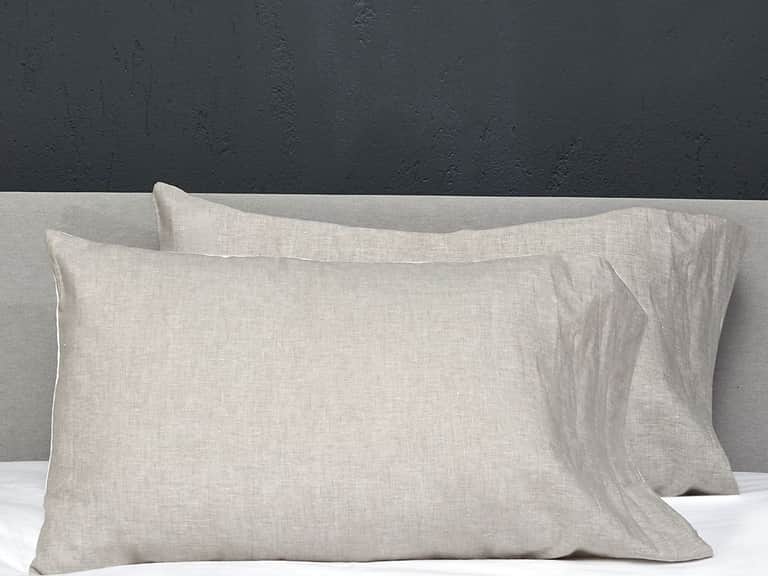
Linen is frequently found in plain weave, sometimes with a light hemp or flax satin in higher-end lines. The weave choice, along with yarn weight, determines breathability, surface crispness, and crease patterns. A plain weave linen bed sheet tends to feel crisp and cool, ideal for warm nights, while slightly heavier linen blends or interleaved finishes can offer a warmer, more relaxed hand for cooler seasons.
Texture is also affected by fiber fineness and the finishing technique. A hemstitch edge or subtle weave variation creates a refined aesthetic that complements the linen’s inherent structure. When contrast with a smooth pillowcase or duvet, linen bedding conveys both a tactile and visual discipline—an editorial balance that feels both luxurious and effortless.
Finishing touches matter: a well-executed hem, a neatly aligned weave, and consistent sizing contribute to durability and a pristine look wash after wash. In branded lines, you’ll often see entries such as Classico Linen Flat Sheet or Donatella Linen Fitted Sheet—where the weave and finishing details are deliberate markers of quality and longevity.
Care Essentials: Washing, Drying, and Ironing Linen
Linen thrives with thoughtful maintenance. The care routine preserves texture, prevents excessive shrinkage, and maintains the crisp feel that linen bedding is known for. A practical approach includes:
- Washing: Use a gentle cycle with cool to lukewarm water. Harsh agitation or high heat can cause fiber fatigue over time. Consider a mild detergent that won’t strip natural oils from the linen.
- Drying: Line drying is ideal when possible to preserve fiber integrity. If using a dryer, set to low heat and remove while slightly damp to minimize creasing. Linen loves a touch of moisture to prevent excessive wrinkling.
- Ironing and finishing: Iron while damp on a warm setting, using steam if available. A light press restores the fabric’s crispness and helps the edges lie flat, especially on flat sheets and pillowcases with hems or hemslot details.
- Storage and longevity: Store linen in a cool, dry place away from direct sun to prevent yellowing or weakening of fibers. Proper folding and avoiding overcrowding help preserve the crisp hand.
Buyer's Quick Guide: What to Look For When Choosing Linen Bedding
When shopping for linen bedding, several practical signals indicate quality and value:
- Origin and flax quality: Linen fabric sourced from reputable regions and mills with transparent fiber origins tends to be more consistent in texture and performance.
- Yarn weight and weave: Medium-weight linen with a plain weave tends to balance breathability with durability. Weight influences warmth and drape; heavier linens endure more wear, while lighter linens feel crisper and cooler.
- Finish details: Hemmed edges, hemstitching, and edge finishes affect longevity and aesthetics. Clean seams reduce snagging and help the fabric retain shape over time.
- Care instructions: Clear laundering guidelines that align with your routine ensure you can preserve the linen’s texture and sheen after repeated washes.
Editorial Interludes: The People Behind Linen’s Legacy
To illuminate linen’s long arc—from ancient craft to modern luxury—consider three key individuals who have shaped textile culture across eras. Each represents a different time period, revealing how linen’s magic endures through craft, innovation, and design sensibility.
Catherine de’ Medici (16th century)
A patron of sumptuous textiles during the Renaissance, Catherine’s influence helped elevate linen as a canvas for courtly display and ceremonial attire. Her era celebrated precise weaving and fine fiber preparation, with linen playing a central role in both garments and bed coverings. The Renaissance vision of linen—crisp, luminous, and meticulously finished—still informs modern expectations of linen bedding’s clarity of hand and longevity.
William Morris (19th century)
A luminary of the Arts and Crafts movement, Morris championed artisanal craft and the expressive potential of textiles. His advocacy for hand-printed and hand-woven fabrics elevated linen’s status as a vehicle for design and sustainability. Morris’s ethos invites a modern reader to consider linen not merely as a fabric but as a statement about craft integrity and timeless beauty.